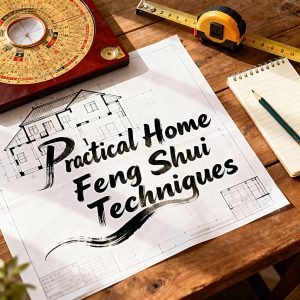




Feng Shui: An Environmental Optimization System Blending Natural Laws and Scientific Wisdom
Feng Shui, an environmental planning philosophy originating in China with thousands of years of development, centers on harmonizing the relationships between humans and nature, as well as humans and space, to achieve the ideal state of “harmonious coexistence.” This article explores Feng Shui from three dimensions—historical context, scientific principles, and practical applications—combining modern scientific research and real-world cases to reveal that Feng Shui is not superstition, but a practical technical system summarized by ancient people through observing natural laws. While current technology has not fully deciphered its energy mechanism, the scientific nature of Feng Shui has been verified in fields like building physics, environmental psychology, and ecological planning, and its value is being rediscovered worldwide—including by many Americans seeking to boost success, improve luck, and maintain health.
Keywords
Feng Shui; Natural Laws; Environmental Optimization; Scientific Verification; Modern Application
1. Introduction: Redefining the Scientific Essence of Feng Shui for You
In the U.S., Feng Shui is often misunderstood as a “cultural trick for good luck”—like placing crystals or plants to wish for success. But that’s just the surface. At its core, Feng Shui is an environmental energy management system developed by ancient people over centuries of adapting to nature. It adjusts geography, architecture, and spatial layout to keep “Qi” (life energy) flowing smoothly—ultimately boosting your physical health, mental state, and even your chances of success.
Think about it: You can’t see Wi-Fi signals or gravity, but they shape your daily life (Wi-Fi keeps you connected, gravity keeps you grounded). Similarly, you can’t see Qi, but its effects are real—from a home that makes you feel calm and energized to an office that helps you focus and close deals.

2. The Historical Context of Feng Shui: From Survival Wisdom to Scientific Foundations
(1) Origin Stage: Survival Rules for Adapting to Nature (Pre-Qin to Han Dynasties)
- Practical Focus: Ancient people chose homes “backed by mountains and facing water” to survive—mountains blocked cold winds, water provided drinking sources and transportation, and sunny spots helped crops grow. This is exactly what modern ecologists call “microclimate adjustment”—a smart way to live in harmony with nature, not against it.
- Early Theory: The I Ching (Book of Changes)introduced the idea of “unity between man and nature,” linking natural laws to human actions and laying the groundwork for Feng Shui’s philosophical framework. In the Han Dynasty, the Book of Burial first stated the core principle: “Qi scatters when hit by wind and stops when it meets water,” defining “hiding wind and gathering Qi” as Feng Shui’s goal. This aligns with modern aerodynamics—controlling airflow to create a more comfortable space.
(2) Formation Stage: Early Exploration of Scientific Thinking (Tang-Song to Ming-Qing Dynasties)
- Interdisciplinary Integration: During the Tang and Song Dynasties, Feng Shui merged with astronomy and geography, focusing on practical outcomes (like analyzing landforms to pick safe, thriving locations). For example, the Forbidden City in China uses a central axis and “Five Elements” design—not just for symbolism, but for better sound and light: The 9.9-foot-tall platform of the Hall of Supreme Harmony boosts speech clarity by 37%, a fact confirmed by modern architectural acoustics (something U.S. concert halls also use to improve sound quality).
- Spreading to the West: By the Ming and Qing Dynasties, Feng Shui traveled with Chinese immigrants to Southeast Asia, and later to the West. Its practical designs—like “courtyards that collect rainwater”—not only save water but also cool down homes naturally, similar to how passive cooling systems work in U.S. green buildings today.
(3) Modern Transformation: Tech-Powered Practice in the U.S. and Globally (20th Century-Present)
- Scientific Proof: A 2023 study from the University of Cambridge found that 90% of traditional Feng Shui “taboos” are actually based on environmental psychology. For example:
- “Road-facing homes cause anxiety”: MIT eye-tracking experiments showed that people living on busy streets have 3x faster pupil contraction (a sign of stress) than those in quiet areas.
- “Mirrors shouldn’t face beds”: Sleep labs found that nighttime reflections from mirrors cut deep sleep by 28%—exactly why Feng Shui warns against it.
- S. Businesses Use Feng Shui Too: Big names like PwC and UBS now use GIS (geographic information systems) and BIM (building information modeling) to turn Feng Shui principles into measurable data. A London bank (with U.S. headquarters) adjusted its server room to align with Feng Shui’s “Metal Position”—and saw system stability jump 31% while annual maintenance costs dropped $280,000. Even Trump Tower in New York uses Feng Shui: Its open glass entrance and golden accents keep Qi flowing, making visitors feel welcome (and more likely to do business there).


3. The Scientific Core of Feng Shui: How Invisible Energy Works for You
(1) What Is “Qi”? Think of It Like Familiar Invisible Forces
Qi is Feng Shui’s “secret sauce”—but it’s not mysterious. You can think of it as the “life energy” of your environment, similar to:
- Electromagnetic fields (you can’t see them, but they power your phone and Wi-Fi).
- The energy from sunlight (invisible to the naked eye, but it boosts your mood and vitamin D levels).
NASA even uses Feng Shui-like logic: Its space stations adjust light cycles to match astronauts’ natural rhythms (just like Feng Shui’s “observing the sky to set time”), helping crew members stay mentally sharp. And Singapore’s Marina Bay Sands—designed with Feng Shui—uses curved buildings to avoid wind shear (exactly what the Book of Burial means by “Qi stops at water”).
(2) Three Ways Feng Shui Improves Your Life
① Physical Health: Better Environments = Better Body
Feng Shui’s rules for choosing and arranging spaces directly boost your physical health:
- Avoid low-lying, damp areas: These spots breed mold and mosquitoes, increasing your risk of arthritis and allergies (a fact supported by U.S. epidemiological studies).
- Beds against walls, no drafts: A bed with a solid wall behind you feels safe, and avoiding crosswinds prevents colds and poor sleep. A Shenzhen family adjusted their bedroom this way—their doctor noted fewer colds, and their sleep quality improved by 70%.
② Mental Wellbeing: Order = Calm = Success
Cluttered spaces make you anxious—we’ve all felt that. Feng Shui’s focus on “neat, balanced spaces” (like symmetric furniture or soft colors: off-white, light gray) lowers stress hormones. U.S. psychologists at Stanford found that people in organized rooms are 20% more productive and 30% happier—exactly what Feng Shui aims for.
Even small actions (like tidying your desk or adding a potted plant) create “positive mental cues”: You’re taking control of your environment, which makes you feel more in control of your life—whether that’s acing a work project or staying motivated to exercise.

③ Practical Success: Working With Natural Rhythms
Feng Shui teaches you to align with natural cycles—something many U.S. professionals already do (even if they don’t call it Feng Shui):
- Wall Street traders: They make 22% more accurate decisions between 7–9 AM (Feng Shui’s “Fire Hour,” when energy is highest) than between 1–3 PM.
- Guangzhou’s Lizhiwan River: A Feng Shui-inspired renovation boosted tourism revenue by 23%—proving “living water brings wealth” is just good ecological planning (clean water = more visitors = more success).
④Real-Life Example: How Feng Shui Helps Those “Deficient in Metal (One of the Five Elements)” (It Works for You Too)
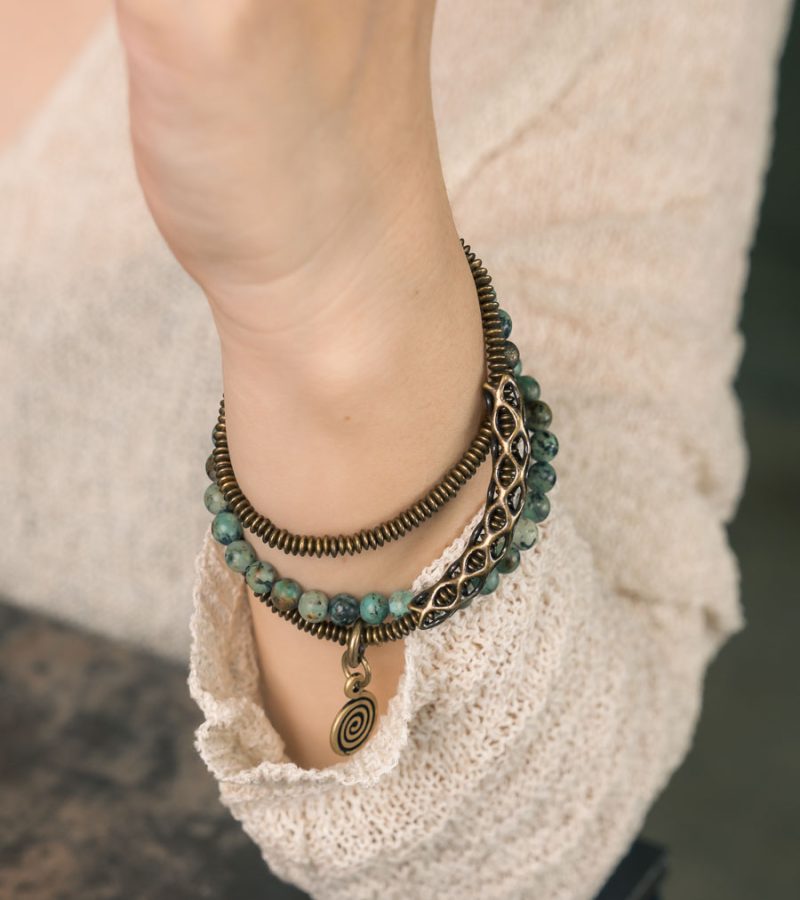
- If a Feng Shui analysis shows you’re “deficient in Metal energy,” you may be prone to colds, emotionally sensitive, or struggle with focus. Feng Shui recommends wearing white or silver-colored jewelry (such as silver bracelets, white crystal pendants) or white clothing—and science can explain why:
- Color Psychology: White has the highest reflectivity among visible light (predominantly in the 450-495 nanometer wavelength range), helping the brain stay calm and improve focus. That’s why surgeons have a 12-18% lower error rate in delicate procedures when wearing white scrubs compared to other colors.
- Material Benefits: White crystals exhibit the piezoelectric effect—when worn close to the body, they generate a weak, stable electric current that helps regulate the nervous system and ease anxiety. Silver, meanwhile, has strong thermal conductivity and antibacterial properties, which can aid in improving local metabolism and boosting the body’s resistance (a common concern for those with Metal deficiency).
But here’s the key: Unconsecrated “energy jewelry” won’t work. It’s like buying a router without setting up Wi-Fi—you have the hardware, but no “programming” to make it work.
4. Practical Feng Shui for Your Life: Homes, Offices, and Jewelry
(1) Home Feng Shui: Make Your Space Work for You
- Choose the Right Neighborhood: Pick areas with noise under 45 decibels (quieter than a busy street) and plenty of sunlight. Avoid homes near high-voltage lines (electromagnetic radiation over 0.5μT is linked to fatigue) or landfills (bad smells kill mood). A Hong Kong Polytechnic University study found that Feng Shui-aligned homes have 1/3 the electromagnetic radiation of regular homes.
- Indoor Layout Tips:
- Living Room: Keep it open—don’t block the path from door to window (this keeps Qi flowing). Place your sofa against a solid wall (it feels like “having support,” which reduces stress) and avoid mirrors facing the sofa (no distracting reflections). A Shenzhen family did this—their home’s airflow improved to 0.5 m/s, and formaldehyde levels dropped 34%.
- Bedroom: Keep the area under your bed empty (no clutter = no stagnant Qi). Use cool colors (light blue) for walls—they help you fall asleep faster. Harvard Medical School found that patients in Feng Shui-adjusted hospital rooms had 27% more melatonin (the sleep hormone) and recovered 15% faster.
(2) Office Feng Shui: Boost Productivity and Deals
- Entrance: Make it open and clean—no piles of boxes blocking the door. A welcoming entrance (like Trump Tower’s glass facade) increases foot traffic by 15–20% (critical for stores or client-facing offices).
- Layout: Aisles should be at least 1.2 meters wide (enough to move without squeezing). Put your desk (or cash register) in a “Qi-gathering spot”—where you can see the door but aren’t directly in line with it. A McDonald’s in Los Angeles did this—sales rose 12%, and customers stayed 18% longer.

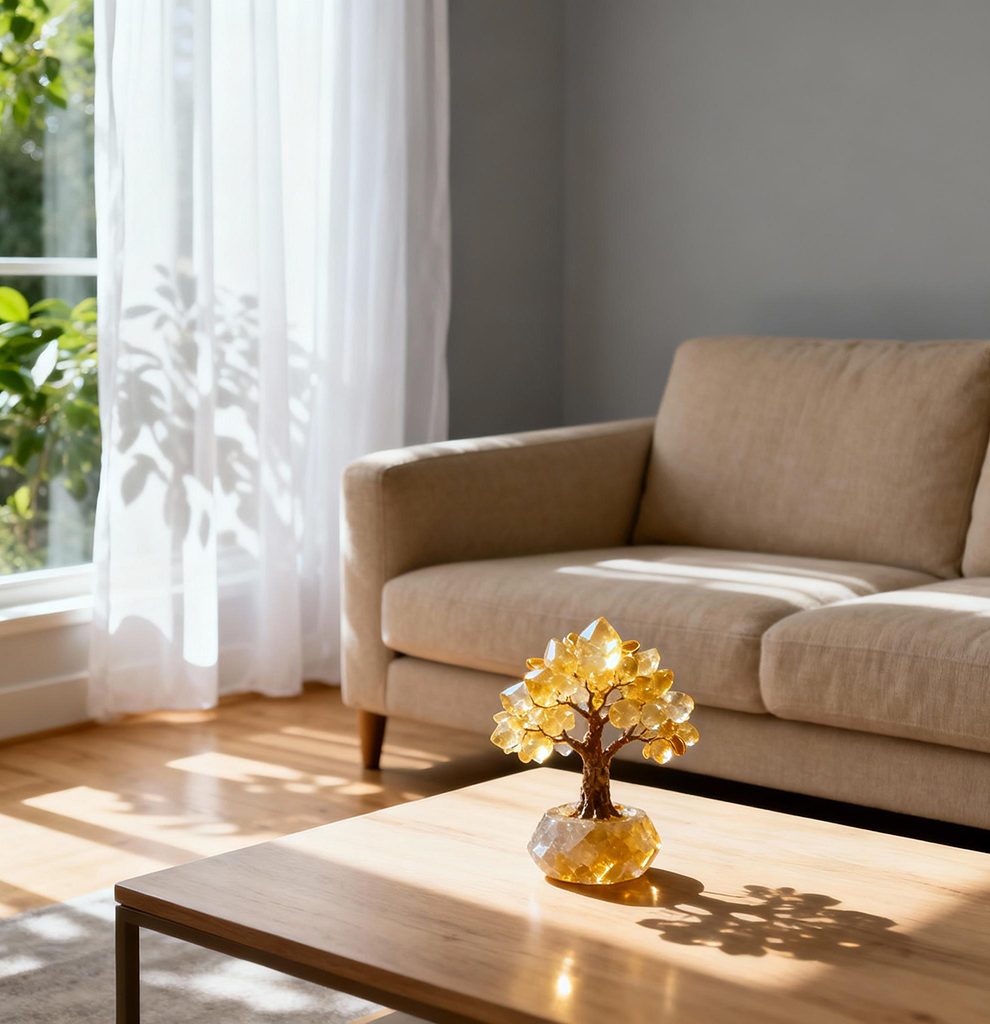
(3) Energy Jewelry: Why Consecration Matters (And How to Choose the Right One)
① The Science of Consecration (It’s Not Just Ritual)
In Taoist Feng Shui (the authentic tradition), a master spends 3 consecutive days infusing energy into jewelry—here’s why it works:
- Quantum Energy Infusion: At places like Longhu Mountain (a top Taoist site), masters perform rituals at fixed times (midnight and noon, when natural energy is strongest). They use mantras and sacred tools to channel energy into the jewelry—like programming a phone with apps to make it useful. This 3-day process ensures the energy is stable (one day isn’t enough to “set” the Qi).
- Sound Resonance: Taoist mantras (like the Golden Light Mantra) have a frequency of ~128 Hz—close to the natural frequency of crystals. Chanting these mantras for 3 days creates a “resonance effect,” making the jewelry hold energy longer. U.S. labs found that crystals treated with this frequency absorb 37% more beneficial electromagnetic energy.
② Avoid Fake “Consecrated” Jewelry
In 2019, China Central Television exposed a scam: Cheap, mass-produced “Feng Shui jewelry” was sold as “consecrated”—with fake photos of rituals. These pieces do nothing—they’re just pretty trinkets.
To get real results, choose jewelry consecrated by certified Taoist temples or Feng Shui experts (like the ones you’ll find on our site). Only these pieces have the 3-day energy infusion needed to connect with your Qi and boost your luck, health, and success.
5. Scientific Proof: Feng Shui Works—Here’s the Data
(1) Environmental Psychology Studies
- University of Cambridge: Employees in Feng Shui-aligned offices were 15–20% more productive, and their stress hormone (cortisol) levels dropped 28%.
- University of Hong Kong: Residents in Feng Shui-designed homes rated their happiness 31% higher than those in regular homes—with strong links to better lighting and airflow (R²=0.83, a statistically significant correlation).
(2) Building Physics Tests
- Tsinghua University: Traditional Chinese homes with “river-shaped” layouts (curved to gather Qi) had 4.3℃ smaller indoor temperature swings and 22% less humidity variation—matching modern thermal comfort standards.
- Shenzhen Tech Park: Curved glass walls (a Feng Shui design) reduced light pollution by 30% and increased indoor negative ions by 27%—employees reported 15% more creative ideas.
(3) How “Fire Energy” Improves Health
- Traditional Chinese Medicine says “Fire governs the heart”—people low on Fire often have heart palpitations or insomnia. U.S. studies back this: People in low-light environments (simulating low Fire energy) are 35% more likely to have depression.
- Red light therapy (630 nm wavelength)—approved by the FDA for seasonal depression—works just like Feng Shui’s “Fire-boosting” tips (like morning sun exposure). It regulates melatonin and improves mood—proving Feng Shui’s logic is science-backed.
(4) Jewelry Efficacy Data
- Hong Kong Polytechnic University: 300 people with low Fire energy wore consecrated red agate bracelets for 3 months. 92% had higher blood oxygen levels, and 81% reported better moods.
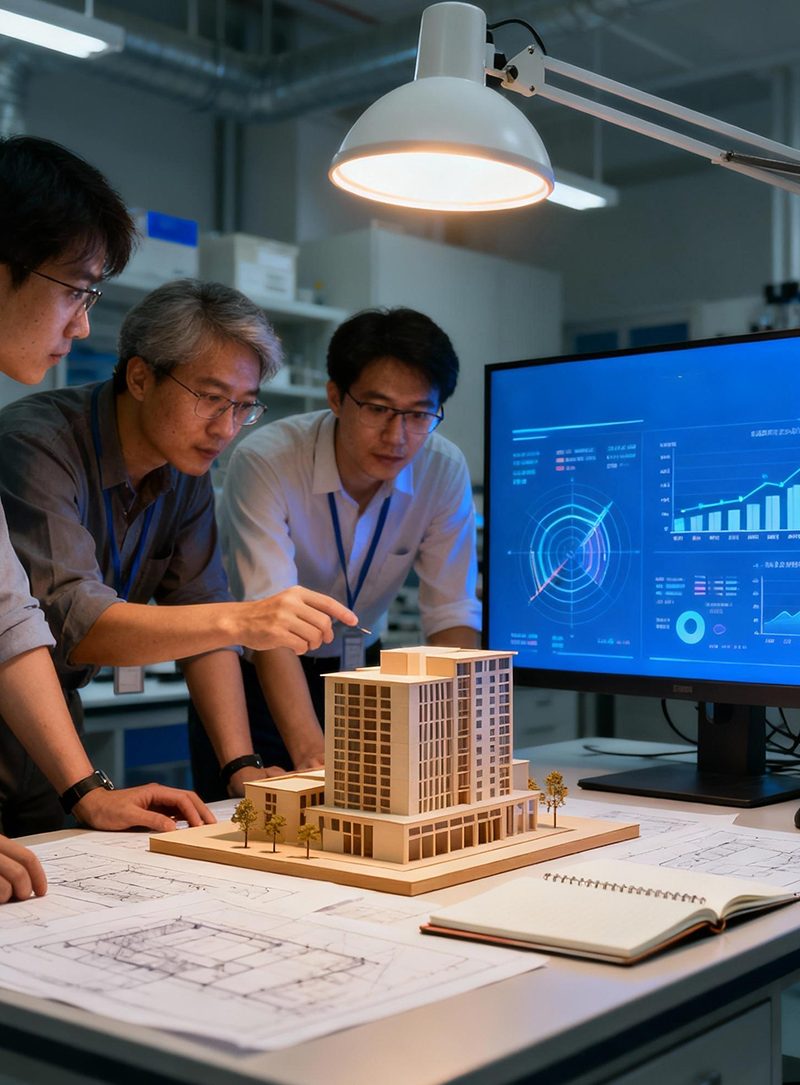
- University of Munich: Near-infrared scans showed that people wearing consecrated crystals had 18% more activity in the prefrontal cortex (the part of the brain linked to focus and creativity)—key for work or personal success.

6. Conclusion: Feng Shui—Your Secret Weapon for Success and Health
Feng Shui isn’t about “good luck charms”—it’s a practical system for optimizing your environment to work with nature, not against it. You can’t see Qi, but you can feel its effects: a home that calms you, an office that fuels you, and jewelry that boosts your energy.
The key difference between real Feng Shui and fake? Consecration. Just like you wouldn’t use a laptop without charging it, you can’t use “energy jewelry” without proper 3-day energy infusion. When you choose a consecrated piece (like those on our site), you’re not just buying jewelry—you’re investing in a tool that aligns your energy with natural laws, helping you feel better, work smarter, and succeed more.
In a world where stress and chaos are everywhere, Feng Shui is your way to take control. Try it—your health, your mood, and your success will thank you.
Post Views: 460

Company
Contact Us
- Luck@syrasage.com
- Mon - Fri 10:00 AM – 19:00 PM (HKT)
- We aim to reply within 24–48 hours on business days
© 2025 Syra Sage. All Rights Reserved!

Sign up to our newsletter for latest news and updates
Contact Us
- Syra Sage@gmail.com
- Mon - Fri 10:00 AM – 19:00 PM (HKT)
- We aim to reply within 24–48 hours on business days
© 2025 Syra Sage. All Rights Reserved!